
Common Night Skincare Mistakes That May Irritate Your Skin
Discover common night skincare mistakes that may irritate your skin, including over-exfoliation, harsh cleansers, and using too many active ingredients. Learn how to build a gentle nighttime skincare routine for healthier, more comfortable-looking skin.
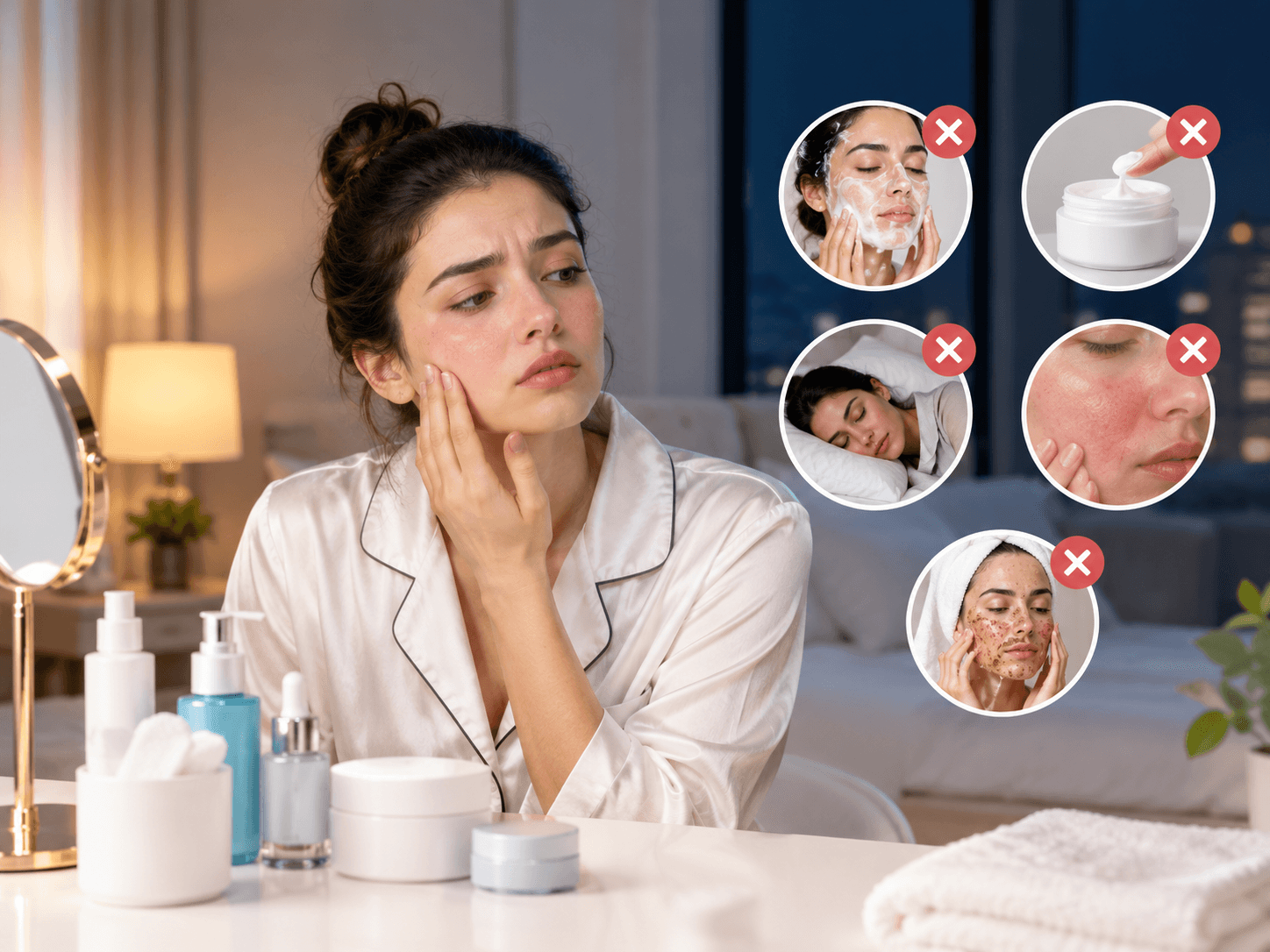
Common Night Skincare Mistakes That May Irritate Your Skin
A nighttime skincare routine is an important part of maintaining healthy-looking skin. After a long day, cleansing your face, applying moisturiser and using suitable skincare products can help keep your skin clean, comfortable and hydrated. However, even with good intentions, certain nighttime skincare mistakes may cause irritation, dryness, redness and breakouts.
Using too many active ingredients, skipping moisturiser, washing your face with harsh cleansers or applying products that do not suit your skin type can interfere with your skin's natural protective barrier. Instead of improving your complexion, an unsuitable skincare routine may leave your skin feeling tight, itchy or uncomfortable.
Understanding the common night skincare mistakes that may irritate your skin can help you make better choices and build a simple, effective routine. Whether you have dry, oily, combination or sensitive skin, small changes to your nighttime habits can make a difference.
In this guide, we will explore the most common mistakes, explain why they may cause irritation and share practical tips for creating a gentler nighttime skincare routine.
Why Is a Nighttime Skincare Routine Important?
Your skin is exposed to environmental pollutants, sweat, excess oil, sunscreen and makeup throughout the day. A suitable nighttime skincare routine helps remove these impurities and maintain skin hydration.
Nighttime is also when many people choose to apply targeted skincare products, including moisturisers, serums and retinoids. However, using these products correctly is essential. A complicated routine does not necessarily produce better results.
A good night skincare routine should focus on three basic steps:
- Gentle cleansing: Remove dirt, excess oil, sunscreen and makeup without excessively drying your skin.
- Targeted skincare: Apply suitable treatments according to your skin's needs and the product instructions.
- Moisturising: Help maintain hydration and support the skin's protective barrier.
The goal is to keep your routine consistent, comfortable and appropriate for your skin rather than using as many products as possible.
10 Common Night Skincare Mistakes That May Irritate Your Skin
1. Using Too Many Skincare Products at Once
One of the most common nighttime skincare mistakes is applying too many products in a single routine. Using several serums, exfoliating products, acne treatments and anti-ageing creams together can make it difficult to identify which ingredient is causing a reaction.
Some active ingredients may also increase the likelihood of irritation when combined or used too frequently. For example, layering multiple exfoliating acids with retinoids may lead to dryness, peeling, redness or a burning sensation.
How to avoid this mistake:
- Keep your nighttime skincare routine simple.
- Introduce one new product at a time.
- Follow each product's directions and recommended frequency.
- Avoid combining several strong active ingredients unless the combination is appropriate for your skin.
- Give your skin time to adjust before introducing another product.
A simple routine that suits your skin is often a better starting point than a complicated collection of skincare products.
2. Over-Exfoliating Your Skin
Exfoliation helps remove dead skin cells from the skin's surface. Chemical exfoliants, such as alpha hydroxy acids (AHAs) and beta hydroxy acids (BHAs), are commonly used to improve the appearance of uneven texture and clogged pores.
However, exfoliating too often or using products that are too strong for your skin can damage its protective barrier and cause irritation.
Signs of over-exfoliation may include:
- Persistent redness or sensitivity.
- Dry, flaky or peeling skin.
- Burning or stinging when applying moisturiser.
- Increased discomfort after cleansing.
- Skin that feels unusually tight or rough.
How to avoid this mistake:
Choose an exfoliant suitable for your skin type and follow its instructions. If you are new to exfoliation, start cautiously rather than using it every night. Avoid exfoliating when your skin is already irritated, and allow it to recover before restarting your routine.
Remember that exfoliation is not essential for everyone. If your skin is sensitive or prone to irritation, a gentle cleansing and moisturising routine may be more appropriate.
3. Skipping Moisturiser Before Bed
Some people with oily or acne-prone skin avoid moisturiser because they believe it will make their skin greasier or cause breakouts. However, skipping moisturiser can leave the skin feeling dry and uncomfortable, particularly when using cleansing products or active ingredients that cause dryness.
Moisturiser helps reduce water loss and supports the skin's natural protective barrier. The right formula depends on your skin type, preferences and individual concerns.
How to avoid this mistake:
- Choose a lightweight, non-comedogenic moisturiser if your skin is oily or acne-prone.
- Consider a richer cream if your skin is dry.
- Look for a simple, fragrance-free moisturiser if your skin is sensitive.
- Apply moisturiser after cleansing, following the directions for any treatment products you use.
Consistent moisturising can help your skin feel softer, smoother and more comfortable without requiring multiple layers of products.
4. Using a Harsh Cleanser Before Sleeping
Cleansing is an important step in any nighttime skincare routine, but using a harsh cleanser can strip away too much of the skin's natural oils.
Products that leave your face feeling extremely tight or dry after washing may not be suitable for your skin. Strong fragrances, irritating ingredients and aggressive cleansing techniques can also contribute to discomfort.
How to avoid this mistake:
Choose a gentle cleanser that removes dirt, sunscreen, makeup and excess oil without leaving your skin feeling stripped. Wash with lukewarm water instead of very hot water, and pat your face dry with a clean, soft towel.
Avoid scrubbing your face aggressively with washcloths or cleansing brushes, especially if your skin is already sensitive.
The purpose of cleansing is to remove unwanted buildup while keeping your skin comfortable.
5. Applying Retinol or Other Active Ingredients Too Frequently
Retinol and other retinoids are used in skincare routines to address concerns such as acne, uneven texture and visible signs of ageing. Although these ingredients can be useful for some people, they may also cause dryness, peeling, redness and irritation.
A common mistake is starting with a strong product or applying it every night immediately.
How to avoid this mistake:
- Select a product appropriate for your experience and skin concerns.
- Follow the product instructions and begin gradually when recommended.
- Use a suitable moisturiser to help manage dryness.
- Avoid applying retinoids to irritated, cracked or sunburned skin.
- Use sunscreen during the day, as some retinoids can increase sensitivity to sunlight.
Retinoids are not suitable for everyone. If you are pregnant or planning pregnancy, seek medical advice and avoid topical retinoids during pregnancy.
Do not assume that increased frequency will deliver faster results. If irritation develops, stop using the product until your skin settles and seek professional advice if symptoms persist.
6. Sleeping Without Removing Makeup and Sunscreen
Going to bed without properly removing makeup and sunscreen is another common nighttime skincare mistake.
Leaving these products on overnight can contribute to clogged pores or breakouts in some people. Sweat, dirt and excess oil may also accumulate on the skin throughout the day.
How to avoid this mistake:
Make removing makeup and sunscreen part of your evening routine. Use a suitable makeup remover or cleansing product, followed by a gentle cleanser if needed.
You do not necessarily need an elaborate double-cleansing routine every night. The important thing is to remove products effectively without excessive rubbing or repeated washing that leaves your skin dry.
If you are tired, keep your cleansing products accessible so that you can complete this basic step before bed.
7. Using Fragranced Products on Sensitive Skin
Fragrances can make skincare products smell pleasant, but they may trigger irritation or allergic contact dermatitis in susceptible individuals.
A product described as natural, botanical or herbal is not automatically suitable for sensitive skin. Plant extracts and essential oils can also cause reactions in some people.
Possible symptoms include itching, redness, burning, swelling or a rash. These symptoms may appear immediately or develop hours or days after exposure.
How to avoid this mistake:
Look for fragrance-free products if you have sensitive or reactive skin. Check the ingredient list rather than relying only on marketing claims, and stop using a product if you suspect it is causing a reaction.
If the reaction continues or repeatedly returns, consult a dermatologist to help identify the cause.
8. Not Considering Your Skin Type
A skincare product that works well for one person may not work equally well for someone else. Choosing products based only on social media recommendations or popularity can lead to an unsuitable nighttime skincare routine.
For example, a heavy cream may feel uncomfortable for some people with oily skin, while a lightweight lotion may not provide enough moisture for someone with very dry skin.
Sensitive skin may also react to products containing fragrances, strong exfoliants or other irritating ingredients.
How to avoid this mistake:
Consider your skin's needs before selecting products.
- Dry skin: Look for moisturisers that help retain moisture and reduce water loss.
- Oily skin: Consider lightweight, non-comedogenic moisturisers.
- Combination skin: Choose products that provide adequate hydration without feeling too heavy.
- Sensitive skin: Prefer gentle, fragrance-free products and introduce new ingredients cautiously.
- Acne-prone skin: Choose products labelled non-comedogenic and avoid excessive scrubbing or aggressive treatments.
Your skin type can change with the weather, age and other factors, so adjust your routine when necessary.
9. Applying Products in Excessive Amounts
Using more skincare product does not necessarily make it more effective. Applying excessive amounts of active ingredients may increase the risk of irritation, while thick layers of unsuitable products can feel uncomfortable.
This is particularly important for retinoids, exfoliating acids and acne treatments, which should be used according to their specific instructions.
How to avoid this mistake:
Use the recommended quantity stated on the product packaging. Follow the instructions about application, frequency and layering. Avoid repeatedly applying a product because you think a larger amount will produce quicker results.
Consistency and correct use are more important than quantity.
10. Ignoring Early Signs of Skin Irritation
Some people continue using a product even when their skin starts becoming uncomfortable because they believe irritation is a normal part of the skincare process.
However, persistent burning, significant redness, itching, swelling or peeling should not automatically be considered signs that a product is working.
Mild, temporary sensations can occur with certain products, but ongoing or worsening symptoms deserve attention.
How to avoid this mistake:
If you suspect a skincare product is irritating your skin, stop using it. Gently rinse off the product if it has just been applied and is causing a reaction. Temporarily simplify your routine to gentle cleansing and a moisturiser you already tolerate.
Avoid introducing new active ingredients until the irritation has settled. Seek medical advice if symptoms are severe, persistent or recurrent. Facial swelling, breathing difficulties or a rapidly developing severe reaction require urgent medical attention.
How to Build a Gentle Nighttime Skincare Routine
You do not need a large collection of skincare products to maintain a healthy-looking complexion. A simple routine can help you stay consistent while reducing unnecessary exposure to potentially irritating ingredients.
Step 1: Cleanse Your Face Gently
Remove makeup, sunscreen, sweat and dirt using a cleanser appropriate for your skin. Avoid very hot water, rough scrubbing and harsh cleansing products.
Step 2: Apply Targeted Treatments Only When Needed
If your routine includes products such as retinol, exfoliating acids or acne treatments, use them according to their instructions and your skin's tolerance. Introduce products gradually when appropriate.
Avoid layering multiple potentially irritating ingredients simply because they are popular.
Step 3: Moisturise Your Skin
Apply a moisturiser that suits your skin type. This helps reduce water loss and supports the skin's protective barrier.
A suitable moisturiser can be especially helpful when your skin feels dry after cleansing or when you are using certain active ingredients.
Step 4: Give Your Skin Time to Adjust
Avoid changing your entire routine at once. Introduce one new product at a time and observe how your skin responds.
If you experience persistent irritation, discontinue the suspected product and seek professional advice.
Step 5: Maintain Healthy Skincare Habits
Wash your hands before applying products, use clean towels and avoid picking or rubbing irritated skin. Make daily sun protection part of your morning routine, especially if you use ingredients that may increase sun sensitivity.
The best nighttime skincare routine is one that supports your skin without causing unnecessary discomfort.
How Can You Tell If Your Night Skincare Routine Is Irritating Your Skin?
Skin irritation can develop when the skin is exposed to an unsuitable product, an irritating ingredient or excessive treatment.
Common warning signs include:
- Redness or changes in skin colour.
- Itching, burning or stinging.
- Unusual dryness or tightness.
- Flaking, peeling or cracking.
- A new rash or swelling.
- Increased sensitivity to products that previously felt comfortable.
These symptoms may be associated with irritant contact dermatitis or allergic contact dermatitis, although other skin conditions can produce similar signs.
If symptoms begin after introducing a new skincare product, consider whether that product could be contributing to the problem. Avoid repeatedly testing products on already irritated skin.
A dermatologist can help distinguish between irritation, an allergic reaction and other skin conditions when the cause is unclear.
Should You Stop Your Nighttime Skincare Routine If Your Skin Becomes Irritated?
If your skin becomes irritated, you may need to pause certain products rather than continue your complete routine.
Start by stopping the product you suspect is responsible. Avoid exfoliants, retinoids and other potentially irritating treatments until your skin has recovered, and use only gentle products you know you tolerate.
Do not apply additional products in an attempt to counteract the irritation, as this may make it harder to identify the trigger.
If the irritation is severe, spreads, repeatedly returns or does not improve, consult a healthcare professional. A dermatologist may recommend appropriate treatment and, when necessary, testing to identify an allergic trigger.
Final Thoughts
Avoiding common night skincare mistakes can help you maintain a more comfortable, balanced skincare routine. Over-exfoliating, using too many active ingredients, skipping moisturiser, cleansing aggressively and ignoring signs of irritation may all contribute to skin discomfort.
Instead of following every new skincare trend, focus on gentle cleansing, suitable moisturising and carefully selected treatments. Introduce new products gradually, follow their instructions and pay attention to how your skin responds.
At Vita Glow, we believe that understanding your skincare needs is an important step towards making informed product choices. Choose products that suit your skin, use them consistently and avoid expecting overnight results.
Remember that everyone's skin is different. If irritation persists or you experience a significant reaction, seek advice from a qualified dermatologist rather than relying on trial and error.
Frequently Asked Questions (FAQs)
1. What are the most common night skincare mistakes?
Common mistakes include over-exfoliating, using too many active ingredients, skipping moisturiser, using harsh cleansers, sleeping with makeup on and choosing products that do not suit your skin type.
2. Why does my skin feel irritated after my nighttime skincare routine?
Your skin may react to an unsuitable ingredient, excessive exfoliation, a harsh cleanser or the combination of several active products. Stop using suspected irritants and simplify your routine. Consult a dermatologist if the symptoms persist.
3. Can using too many skincare products cause skin irritation?
Yes. Using several products with potentially irritating ingredients may increase the risk of dryness, redness, peeling and discomfort. A simple routine with compatible products is often a better starting point.
4. Should I moisturise every night?
Many people benefit from regular moisturising, particularly if their skin is dry or they use treatments that cause dryness. Choose a formula suitable for your skin type and individual needs.
5. Can retinol irritate the skin at night?
Yes. Retinol may cause dryness, redness, peeling and stinging, particularly when first introduced or used too frequently. Follow the product instructions, start cautiously when appropriate and seek professional advice if irritation persists. Avoid topical retinoids during pregnancy.
6. Is it necessary to wash my face before sleeping?
Yes, removing makeup, sunscreen, sweat and daily buildup is an important part of a nighttime skincare routine. Use a gentle cleanser and avoid excessive washing or scrubbing.
7. How can I prevent skin irritation from new skincare products?
Introduce one product at a time, follow its instructions and consider testing it on a small area of skin before regular use. A home patch test may help identify some reactions, but it cannot guarantee that a product will never cause irritation.
8. Are natural skincare products always safe for sensitive skin?
No. Natural ingredients, essential oils and botanical extracts can still irritate the skin or trigger allergic reactions. Always consider the full ingredient list and your individual sensitivities.
9. How long does skincare irritation take to improve?
The recovery time depends on the cause and severity. Mild irritation may improve after stopping the triggering product, while contact dermatitis can take days or weeks to clear. Seek medical advice if symptoms are severe, persistent or worsening.
10. What is the best nighttime skincare routine for sensitive skin?
A gentle cleanser, a suitable fragrance-free moisturiser and minimal use of targeted treatments are reasonable starting points. Avoid introducing multiple active ingredients at once and consult a dermatologist if your skin reacts frequently.
Final Thoughts
Avoiding common night skincare mistakes can help you maintain a comfortable and consistent skincare routine. Over-exfoliating, using too many active ingredients, skipping moisturiser and choosing unsuitable products may contribute to dryness, redness and irritation.
Focus on gentle cleansing, appropriate moisturising and products that suit your skin's needs. Introduce new skincare products gradually and pay attention to how your skin responds.
At Vita Glow, we recognise the importance of the cosmetics industry and the growing demand for informed skincare choices. Understanding skincare ingredients, product suitability and responsible usage can help consumers make better decisions while supporting greater awareness of skincare products and their benefits.
Remember that every individual's skin is different. If irritation persists or becomes severe, consult a qualified dermatologist for personalised advice.
Disclaimer: This article is for general skincare education only and is not a substitute for personalised medical advice. Skincare products may affect individuals differently. Consult a qualified healthcare professional for persistent irritation, allergic reactions or other skin concerns.