
Can You Use Brightening Skincare Every Night? Understanding Active Ingredients and Skin Irritation
Discover whether you can use brightening skincare every night, how active ingredients like glutathione, vitamin C and niacinamide work, and how to prevent skin irritation while maintaining healthy, glowing skin.
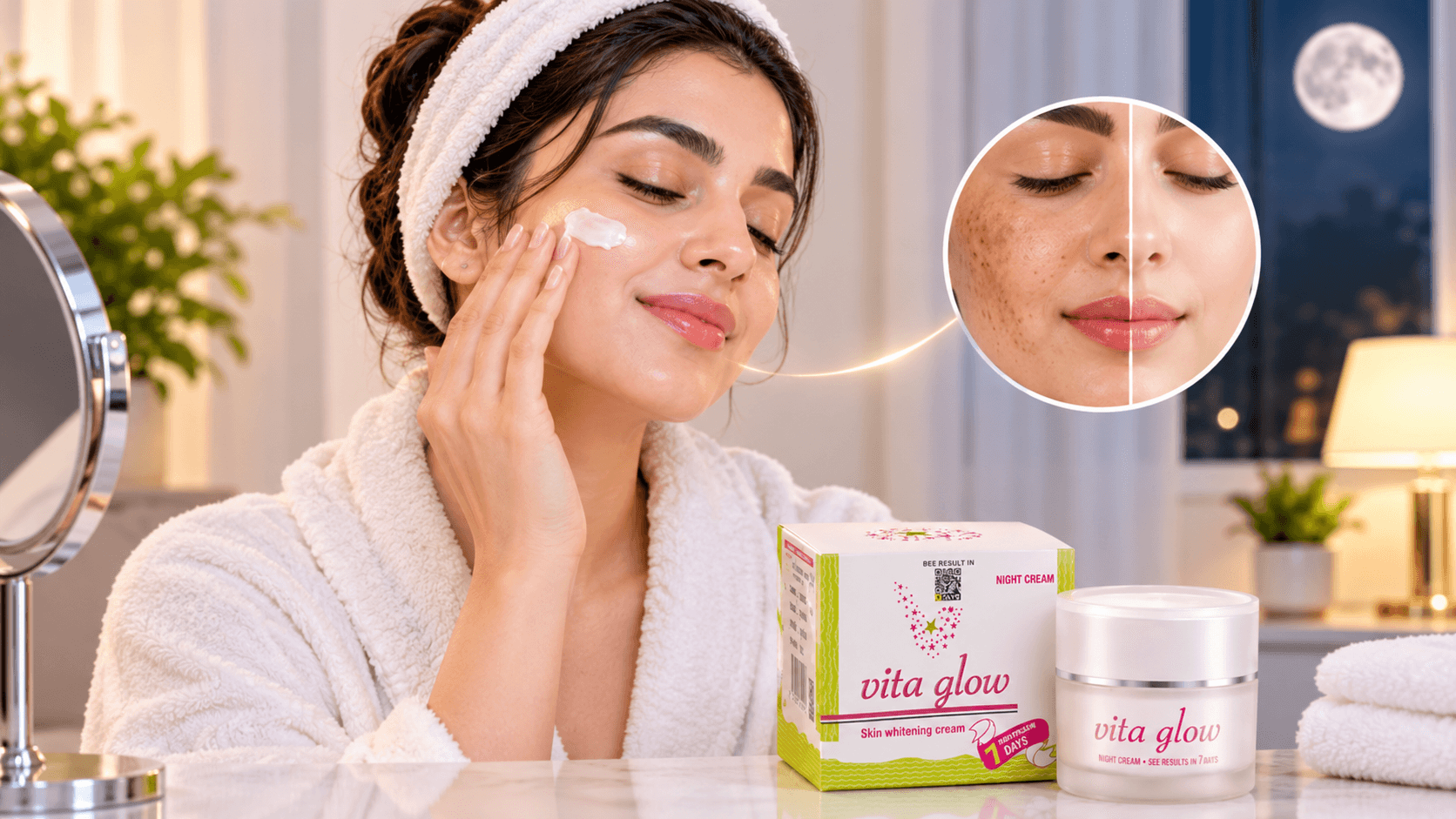
Can You Use Brightening Skincare Every Night? Understanding Active Ingredients and Skin Irritation
Introduction
Brightening skincare has become a popular part of many skincare routines for people who want to improve the appearance of dark spots, uneven skin tone, dullness and post-acne marks. From brightening serums to nourishing night creams and cleansing soaps, these products contain ingredients designed to support a smoother, more radiant-looking complexion.
However, one common question remains: Can you use brightening skincare every night, or can daily use cause skin irritation?
The answer depends on the ingredients, their concentrations, the formulation of the product and your individual skin type. Some gentle moisturising products may be suitable for nightly use, while products containing exfoliating acids or other potentially irritating ingredients may require less frequent application.
Understanding how active ingredients work and recognising the early signs of irritation can help you develop a skincare routine that supports your skin without unnecessarily compromising its natural protective barrier.
At Vita Glow, understanding brightening ingredients and using skincare products according to their directions can help customers make more informed choices about their nighttime skincare routine.
1. What Is Brightening Skincare?
Brightening skincare refers to products formulated to improve the appearance of dullness, uneven skin tone and certain types of pigmentation.
These products may contain antioxidants, moisturising ingredients, botanical extracts and other active ingredients that support skin hydration and help improve the appearance of discoloration over time.
Common brightening skincare products include:
- Brightening face serums.
- Night creams.
- Facial moisturisers.
- Cleansing soaps.
- Products formulated for the appearance of dark spots and uneven skin tone.
A brightening product does not necessarily bleach the skin. Many products are designed to improve the appearance of existing discoloration and support a more even-looking complexion.
It is also important to understand that different ingredients work in different ways. Some help maintain hydration, some provide antioxidant support, and others influence the processes involved in pigmentation or exfoliation.
Using several brightening products together does not automatically produce better results. An overly complicated routine can increase the risk of irritation, especially when multiple active ingredients are combined.
2. Can You Use Brightening Skincare Every Night?
Yes, some brightening skincare products can be used every night, provided their formulations and directions support daily use and your skin tolerates them well.
However, nightly application is not suitable for every product or every individual.
Before incorporating a brightening product into your nightly routine, consider the following factors.
Your Skin Type
Different skin types can respond differently to skincare ingredients.
Dry skin: Dry skin may be more vulnerable to tightness, flaking and irritation. A moisturising product may be helpful, but potentially irritating active ingredients should be introduced carefully.
Oily skin: Oily skin can still become dehydrated or irritated. Choose products that suit your skin's needs rather than assuming that oiliness makes your skin resistant to active ingredients.
Sensitive skin: Sensitive skin may react to fragrance, preservatives, exfoliating acids or certain active ingredients. Introduce new products cautiously.
Combination skin: If some areas of your face are oily while others are dry, monitor how different areas respond to the same product.
Acne-prone skin: Choose products that suit your skin and existing acne treatments. Using several potentially irritating products together can worsen dryness and discomfort.
Your skin type is only one consideration. The product formulation and your skin's current condition are equally important.
The Ingredients in Your Product
Not all brightening ingredients have the same irritation potential.
A moisturising night cream may be appropriate for regular use, while a product containing a strong exfoliating ingredient may need to be introduced gradually.
Read the complete ingredient list and follow the product's directions rather than assuming that every product labelled as a brightening cream is suitable for nightly application.
Your Existing Skincare Routine
Your other skincare products can affect how well your skin tolerates a brightening formula.
For example, combining an exfoliating acid, a retinoid and another potentially irritating treatment in the same routine may increase the likelihood of redness, dryness and peeling.
If you already use prescription acne medication or other dermatological treatments, consult your dermatologist before introducing additional active ingredients.
3. Understanding the Active Ingredients in Brightening Skincare
Knowing what your skincare products contain can help you decide how frequently to use them.
Vita Glow product information available online references ingredients such as glutathione, vitamin C, niacinamide, kojic acid and hyaluronic acid in different products. The exact ingredient combination varies by formulation, so always check the label of the specific product you use.
Glutathione
Glutathione is an antioxidant involved in the body's natural defence against oxidative stress. It is also used in some cosmetic formulations marketed for brightening and improving the appearance of uneven skin tone.
Topical glutathione is an ingredient of interest in cosmetic skincare, but evidence for its effectiveness in treating pigmentation varies according to the formulation and available research.
Can it be used every night?
That depends on the finished product, its other ingredients and the manufacturer's directions. Do not assume that a product containing glutathione is automatically suitable for every skin type or guaranteed to be irritation-free.
Vitamin C
Vitamin C is an antioxidant used in skincare to help protect against oxidative stress and improve the appearance of uneven skin tone.
Certain vitamin C formulations may support a brighter-looking complexion and help reduce the appearance of some dark spots over time.
However, vitamin C products differ in their forms, concentrations and acidity. Some formulations may cause stinging, dryness or redness, particularly on sensitive or already irritated skin.
Can it be used every night?
Some vitamin C products are designed for daily use, including nighttime routines. Others may require gradual introduction depending on their formulation and your skin's tolerance.
Follow the instructions supplied with the specific product and avoid increasing application frequency simply to achieve faster results.
Niacinamide
Niacinamide, also known as vitamin B3, is a widely used skincare ingredient that supports the skin barrier and helps maintain hydration. It may also improve the appearance of uneven skin tone and some forms of discoloration.
Compared with certain stronger exfoliating ingredients, niacinamide is generally well tolerated in many cosmetic formulations. However, individual reactions remain possible.
Can it be used every night?
Many niacinamide products are formulated for daily use. If you experience burning, itching or persistent redness, stop using the product and reassess the routine.
Also, remember that the overall formulation matters. A niacinamide product may contain other ingredients that affect its suitability for sensitive skin.
Kojic Acid
Kojic acid is used in some brightening products because it can inhibit tyrosinase, an enzyme involved in melanin production.
It is commonly included in products designed to improve the appearance of certain dark spots and uneven pigmentation.
However, kojic acid may cause irritation or allergic contact dermatitis in some individuals, particularly depending on the concentration and formulation.
Can it be used every night?
Nightly use should depend on the specific product's instructions and your skin's tolerance. If the product is new to you or your skin is sensitive, introduce it cautiously and avoid combining it with several other potentially irritating treatments at the same time.
Hyaluronic Acid
Hyaluronic acid is a humectant, meaning it helps attract and retain water in the skin. It is commonly used in moisturisers and serums to support hydration and improve the appearance of skin softness.
It is not primarily a pigmentation treatment, but maintaining hydration can make the skin appear smoother and more comfortable.
Can it be used every night?
Hyaluronic acid is commonly included in products intended for regular use. However, the suitability of the finished product still depends on its complete formulation and directions.
Exfoliating Acids
Some skincare products contain alpha-hydroxy acids, such as glycolic acid and lactic acid, which help exfoliate the skin's surface. Salicylic acid is a beta-hydroxy acid commonly used in products for acne-prone skin.
These ingredients can help improve the appearance of skin texture, but excessive use may cause dryness, stinging, redness and peeling.
Can they be used every night?
Not necessarily. The appropriate frequency depends on the acid, its concentration, the formulation and your skin's tolerance. Some products are designed for frequent use, while stronger exfoliating treatments may need less frequent application.
Avoid using several exfoliating products together unless you have received appropriate professional guidance.
4. Why Can Brightening Skincare Cause Skin Irritation?
Skin irritation can occur when an ingredient is too strong for your skin, a product is used too frequently or several active ingredients are combined inappropriately.
Sometimes, irritation results from an individual sensitivity or an allergic reaction to an ingredient.
Common causes include:
Using Too Many Active Ingredients
Combining several products that target pigmentation, acne and skin texture can overload a routine.
For example, using an exfoliating acid alongside a retinoid and a potentially irritating brightening product may increase the risk of dryness and inflammation.
A simpler routine can make it easier to identify which products your skin tolerates.
Increasing Application Frequency Too Quickly
A product that is tolerated occasionally may cause irritation when applied too frequently.
Introducing a new product gradually, where appropriate for its directions, gives you an opportunity to monitor your skin's response.
Using Products on an Already Damaged Skin Barrier
Over-cleansing, excessive exfoliation, harsh soaps and unsuitable skincare combinations can disrupt the skin barrier.
When the barrier is compromised, the skin may become more sensitive to products that previously caused no discomfort.
If your skin is already red, peeling or painful, avoid adding new brightening treatments until the irritation has settled.
Sensitivity to Fragrance or Preservatives
Not all reactions are caused by the main active ingredient. Fragrances, preservatives and other formulation components can also trigger irritation or allergic contact dermatitis.
If reactions repeatedly occur with different products, a dermatologist can help identify possible triggers.
Assuming Natural Ingredients Cannot Cause Reactions
Plant extracts and other naturally derived ingredients may still irritate the skin or trigger an allergic reaction.
The term "natural" does not guarantee that a product is suitable for sensitive skin or that it has no side effects.
The American Academy of Dermatology provides useful guidance on identifying and reducing skincare reactions in its article on how to test skincare products.
5. Signs That Your Brightening Skincare May Be Irritating Your Skin
Recognising irritation early can help prevent a minor reaction from becoming more uncomfortable.
Look out for the following signs.
Persistent redness: Redness that continues after application or becomes more noticeable with repeated use may indicate irritation.
Burning or stinging: Mild, brief sensations can occur with certain formulations, but persistent burning or pain should not be ignored.
Dryness and tightness: If your skin feels unusually tight or uncomfortable, your routine may be too harsh or insufficiently moisturising.
Peeling or flaking: Excessive peeling may indicate that your skin is not tolerating the product or the frequency of use.
Itching or swelling: Itching, swelling or a spreading rash may indicate an allergic reaction and require medical assessment.
Worsening dark spots: Inflammation can trigger post-inflammatory hyperpigmentation, particularly in skin that is more prone to developing dark marks after irritation.
If a product causes a significant reaction, stop using it and gently rinse it off. Avoid applying additional active ingredients to the affected area.
Seek medical attention for severe or persistent symptoms. Facial swelling, difficulty breathing or other signs of a serious allergic reaction require emergency medical care.
6. How to Use Brightening Skincare Safely at Night
A consistent routine does not need to contain many products. The goal is to use suitable products correctly while maintaining the skin's protective barrier.
Step 1: Cleanse Gently
Start with a gentle cleanser that removes dirt, excess oil, sunscreen and makeup without leaving your skin feeling excessively dry.
If you use a brightening soap, follow its specific instructions and observe how your skin responds. Cleansing products are generally rinsed off, so their exposure to the skin differs from that of leave-on creams and serums.
Avoid repeatedly washing your face or using harsh cleansing products to speed up brightening results.
Step 2: Apply Your Brightening Product According to Its Directions
Use the recommended amount of your serum or night cream.
If you are introducing a new product, check whether it is intended for daily use and whether its directions recommend gradual introduction.
Do not apply more than recommended in an attempt to achieve faster results.
Step 3: Moisturise When Needed
A suitable moisturiser can help support hydration and reduce dryness.
If your brightening product already contains moisturising ingredients, you may not need several additional layers. Choose products based on your skin's needs rather than the number of steps in a routine.
Step 4: Avoid Overlapping Too Many Strong Treatments
If your routine contains several active ingredients, consider simplifying it until you understand how your skin responds.
Do not combine strong exfoliating products or prescription treatments without checking whether the combination is appropriate.
Step 5: Use Sunscreen During the Day
Daily broad-spectrum sunscreen with SPF 30 or higher helps protect against ultraviolet radiation and can reduce the risk of further sun-related pigmentation.
Sun exposure can make some forms of discoloration more noticeable and undermine efforts to improve uneven skin tone.
Sunscreen is an important part of a brightening routine, even when your treatment products are applied at night.
7. Should Beginners Use Brightening Cream Every Night?
If you are new to brightening skincare, starting cautiously is usually a sensible approach.
Rather than introducing several products at once, begin with one suitable product and follow its directions.
A practical approach is to:
- Check the ingredient list and product instructions.
- Test the product on a small area of skin before applying it more widely.
- Introduce products gradually when the directions and formulation allow.
- Monitor your skin for dryness, itching, redness or peeling.
- Avoid adding multiple new active ingredients at the same time.
- Stop using a product if a concerning reaction develops.
The American Academy of Dermatology recommends testing skincare products on a small area twice daily for seven to ten days, using the product as directed, before incorporating them into a regular routine.
Read the complete recommendations here: How to test skincare products.
Patch testing at home may help identify some reactions, but it cannot guarantee that a product will never cause irritation or an allergy.
People with very sensitive skin, eczema, rosacea or an existing skin condition should consider professional guidance before introducing potentially irritating active ingredients.
8. Can You Combine Brightening Serum and Night Cream?
Using a brightening serum and a night cream together may be appropriate if both products are compatible and their directions allow the combination.
However, more products do not necessarily mean better results.
Before combining a serum with a night cream, consider the following:
Check the ingredients: Both products may contain overlapping active ingredients, increasing the overall potential for irritation.
Introduce one product at a time: This makes it easier to identify the cause if redness or discomfort develops.
Consider the formulation: Products containing several exfoliating or potentially irritating ingredients may not be suitable for use together every night.
Monitor your skin: Persistent dryness, stinging or peeling is a reason to stop and reassess the routine.
For example, a hydrating serum paired with a compatible moisturising night cream may suit some people. In contrast, combining multiple strong exfoliating treatments may be unnecessarily irritating.
If you are unsure whether two products can be used together, ask a dermatologist or the product manufacturer for guidance based on their exact formulations.
9. How Long Does Brightening Skincare Take to Show Results?
The time needed to notice changes varies according to the type of pigmentation, the active ingredients, the formulation and how consistently the product is used.
Hydrating products may improve the appearance of dryness and skin softness relatively quickly. Changes in uneven pigmentation generally take longer and may require several weeks or months of appropriate skincare.
Results are also influenced by sun exposure, the cause of the pigmentation and whether irritation develops during treatment.
Be cautious of products that promise dramatic changes within a few days. Rapid results are not proof that a product is safe or suitable for long-term use.
A consistent, tolerable routine with appropriate sun protection is generally more useful than repeatedly changing products or increasing application frequency.
If pigmentation persists, worsens or develops suddenly, consult a dermatologist to determine its cause and discuss appropriate treatment options.
10. Common Mistakes to Avoid When Using Brightening Skincare
Avoiding a few common mistakes can help make your skincare routine more comfortable and manageable.
Using more product than recommended: Applying extra cream or serum does not necessarily improve results and may increase irritation.
Skipping moisturiser when needed: Dryness can make the skin feel uncomfortable and may reduce your ability to tolerate certain active ingredients.
Ignoring early warning signs: Persistent burning, itching, swelling or peeling should not be treated as proof that a product is working.
Mixing too many active ingredients: Combining several strong treatments may increase irritation without providing additional benefits.
Changing products too frequently: Constantly introducing new products makes it difficult to identify what works for your skin.
Skipping sunscreen: Sun exposure can contribute to pigmentation and make it harder to maintain a more even-looking complexion.
Assuming every brightening product is suitable for nightly use: Different formulations have different directions and potential irritation risks.
The best routine is one that suits your skin, uses products appropriately and can be maintained consistently.
11. Choosing the Right Vita Glow Brightening Product
Vita Glow offers different skincare products, including brightening serums, cleansing soaps and night creams. The appropriate product depends on its specific formulation, the purpose of the product and your individual skincare needs.
When choosing a Vita Glow product, consider the following factors.
Check the Product Ingredients
Review the ingredient list on the exact product packaging. Different versions of a product range may contain different ingredients or concentrations.
Ingredients such as glutathione, vitamin C, niacinamide, kojic acid and hyaluronic acid have different functions and should not be treated as interchangeable.
Follow the Product Directions
Check whether the product is intended to be rinsed off or left on the skin, how frequently it should be used and whether any precautions are listed.
A cleansing soap and a leave-on night cream have different patterns of skin exposure.
Consider Your Skin's Tolerance
If you have sensitive or easily irritated skin, introduce new products cautiously and avoid combining several potentially irritating treatments at once.
Discontinue use if a concerning reaction develops.
Choose Consistency Over Aggressive Treatment
A suitable skincare routine should support the skin without causing persistent discomfort.
Avoid increasing the frequency of application or combining additional active ingredients simply to accelerate visible results.
For the most accurate information about a specific Vita Glow product, consult its official product page and packaging.
Conclusion
Can you use brightening skincare every night? Yes, some products are suitable for nightly use, but the answer depends on their ingredients, formulation, directions and your skin's tolerance.
Ingredients such as glutathione, vitamin C, niacinamide, kojic acid and hyaluronic acid serve different purposes in skincare. Some products are designed for regular use, while others may require more cautious application to reduce the risk of irritation.
To support a comfortable routine, introduce new products carefully, avoid combining too many potentially irritating treatments, maintain skin hydration and use broad-spectrum sunscreen during the day.
If your skin develops persistent redness, burning, swelling or peeling, stop using the product and seek professional advice when needed.
At Vita Glow, understanding your skincare ingredients and following product-specific directions can help you make more informed decisions about brightening skincare and nighttime routines.
Disclaimer: This article is intended for general educational purposes and does not replace professional medical advice. Individual skin responses vary, and the suitability of a skincare product depends on its complete formulation and the user's skin condition. Consult a qualified dermatologist for persistent irritation, significant pigmentation concerns or advice about combining active ingredients.